
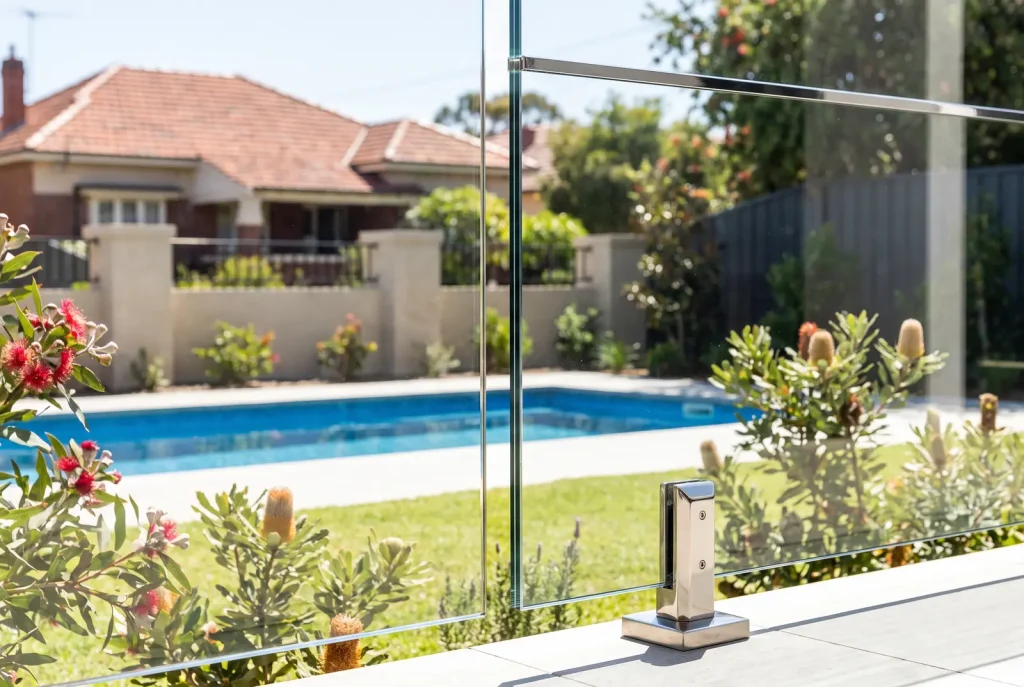
Most pool fence problems don’t appear overnight. A latch stiffens slightly, a fixing loosens, a hinge starts to drag, and it goes unnoticed until the day the gate no longer swings shut on its own. Perth fences face a full spectrum of conditions across the year, and scattered, reactive fixes tend to let those minor faults grow into bigger ones. A seasonal routine pulls all of those concerns into one predictable rhythm, and if you would rather have the upkeep handled for you, our pool fencing service covers inspection and repair across Perth.
This checklist is not about deep-diving into any single stressor. It’s about knowing what to look at and when, so your fence stays safe and compliant through every part of the Perth calendar.
Prefer to watch or listen?
Listen onApple Podcasts
Why a Seasonal Approach Beats Reactive Maintenance
Reactive maintenance means waiting until something visibly breaks. By that point the damage is usually worse, harder to fix, and sometimes a genuine safety risk. A pool gate that stops latching properly is a compliance failure, not just an inconvenience.
Working to a seasonal schedule spreads the effort across the year and matches the tasks to the conditions. You clean off salt and grime after the harsh months, tighten hardware before peak use, and prepare for the weather ahead rather than scrambling after it. It also means you notice gradual changes early, when they’re cheap and simple to address.
Summer Checklist: Peak Use and Heat
Summer is when your fence works hardest. The gate opens and closes constantly, and heat can affect how hardware behaves.
- Test the gate’s self-closing mechanism from several positions. It must swing fully shut and latch on its own from a resting open position.
- Check that the latch engages firmly every time, without needing a lift or a nudge.
- Look over hinges for stiffness or dragging, which heat and heavy use can worsen.
- Inspect powder-coated aluminium and glass clamps for any hardware that feels warm-loosened or rattly.
- Confirm nothing climbable has crept into the non-climbable zone, such as pot plants, furniture or toys near the fence line.
Autumn Checklist: Cleaning and Fixings
After a long, dry summer, autumn is the time to wash away built-up residue and check for wear that heavy use may have caused.
- Rinse and wash panels to remove salt, dust and grime, which sit heavier on fences closer to the coast.
- Inspect every fixing and bracket for looseness, corrosion or discolouration.
- Clear leaves, sand and debris that have gathered around footings and gate bases.
- Check glass panels for chips or cracks, and aluminium for any lifting or bubbling finish.
- Look at the ground line for signs of movement, since Perth’s sandy soils can shift and affect post stability over time.
For a deeper look at how ground conditions influence post stability, our earlier discussion of sandy soils and pool fence foundations explains what to watch for beneath the surface.
Spring Checklist: Getting Ready for Peak Season
Spring is your readiness window. The goal is to have everything cleaned, tightened and functioning before the busy summer months return.
- Give glass and aluminium a thorough clean so you start the season with clear panels and a visible view of the pool.
- Tighten any hardware that has worked loose over the cooler months.
- Re-test the gate’s self-closing and latching action after cleaning and adjustment.
- Check seals, spigots and clamps on frameless and semi-frameless glass for stability.
- Confirm the whole barrier still meets the required height and gap standards, especially if garden beds or landscaping have changed nearby.
Quick Weekly and Monthly Spot-Checks
Between the bigger seasonal jobs, a few quick habits keep you across your fence’s condition. These take seconds and require no tools.
- Weekly, push the gate open and let go. It should close and latch by itself, every time.
- Weekly, scan for anything climbable that has ended up against the fence.
- Monthly, walk the full perimeter looking for loose panels, wobbly posts or damaged fixings.
- Monthly, check gaps under and between panels haven’t opened up.
When a DIY Check Points to a Professional
Plenty of upkeep is safe to do yourself, but some findings should prompt a call to a professional rather than a home repair. Book an inspection or repair if you notice any of the following:
- A gate that will not self-close or latch reliably, even after cleaning and minor adjustment.
- Cracked or chipped glass, which should never be patched or ignored.
- Posts that move, lean or feel loose in the ground.
- Corroded fixings or structural hardware that can’t simply be tightened.
- Any doubt about whether the barrier still meets current compliance requirements.
A compliance inspection also gives you documented confidence that the barrier meets the standards, which matters when a fence is the primary safety layer around a pool.
This seasonal routine handles the ordinary year-round wear a Perth pool fence encounters. But one part of the calendar asks more of your barrier than the standard checklist covers. As the wetter, windier months arrive, the fence faces gusts, driving rain and saturated ground that a routine clean-and-tighten won’t fully prepare it for. Getting your fence ready for Perth’s stormy winter conditions deserves its own focused attention before the weather turns.